
At Strides Psychological & Behavioural Services, we believe in celebrating people for who they are and in supporting them so that they can find happiness, fulfillment, and peace.
We believe we have a responsibility to help create an inclusive community. Our approach is centred around improving quality of life for our clients and their loved ones.
We pride ourselves on our ability to accurately assess our clients’ strengths and any obstacles that may be in their way, and on our compassionate and practical approach to addressing client concerns.
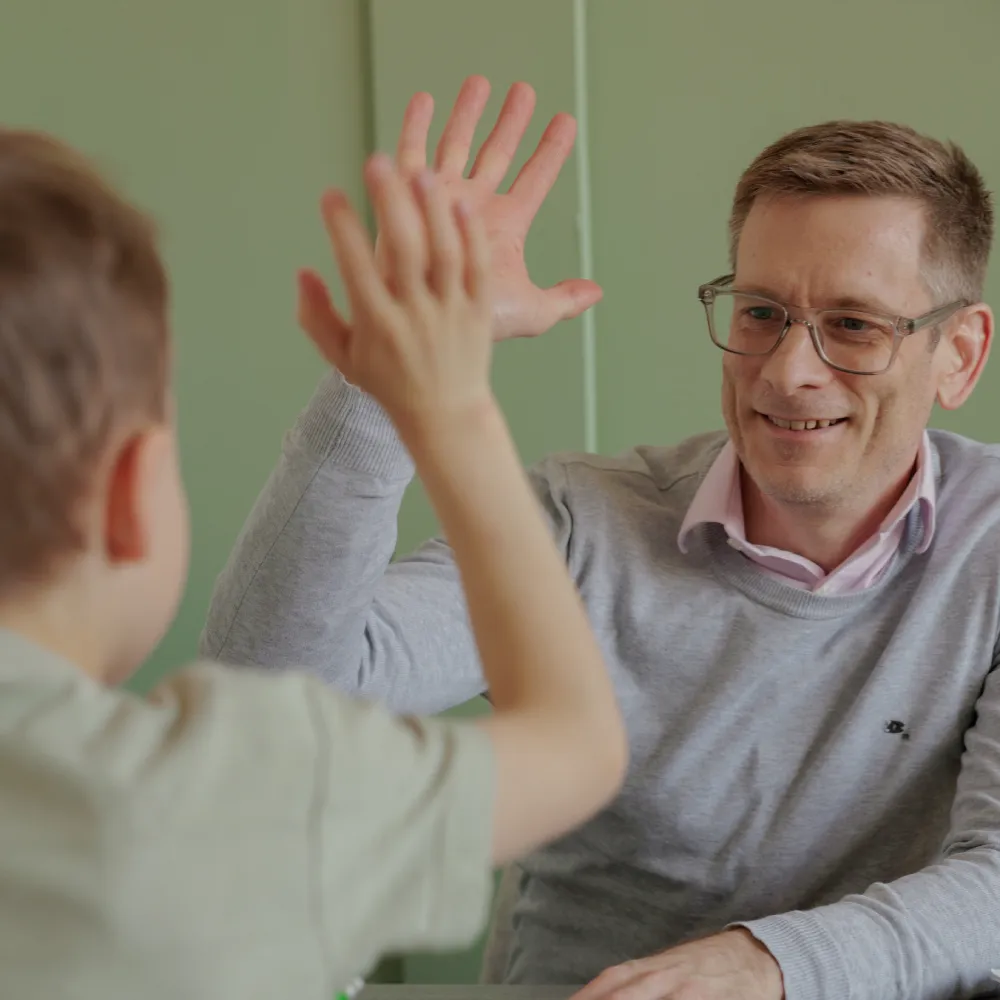
We look beyond a diagnosis, symptom, or behaviour. We consider the person’s strengths, communication, relationships, environment, priorities, and goals.
Our services combine established methods and professional judgment with an understanding of each client’s circumstances.
When helpful, we involve families, caregivers, educators, agencies, and other professionals to improve understanding and consistency across settings.
Sometimes a person needs support to develop new skills. Other times, routines, expectations, programming, communication, or environments also need to change.
By considering both, we avoid placing the full responsibility for change on the individual and create better conditions for lasting progress.
Assessment helps clarify strengths, needs, patterns, and concerns related to learning, attention, behaviour, or the environment. Strides offers assessments beginning at age four, including for non-speaking individuals.
Intervention is connected to meaningful goals. It may support communication, regulation, coping, independence, routines, or participation.
Skills are taught in clear, manageable steps and practised in the settings where they will be used.
Success depends on more than effort. People are more likely to do well when their abilities, supports, environment, and expectations are reasonably aligned.
Depending on the client, our recommendations may address:
Behavioural services may be provided where support is needed, including at home, daycare, school, or in the community.
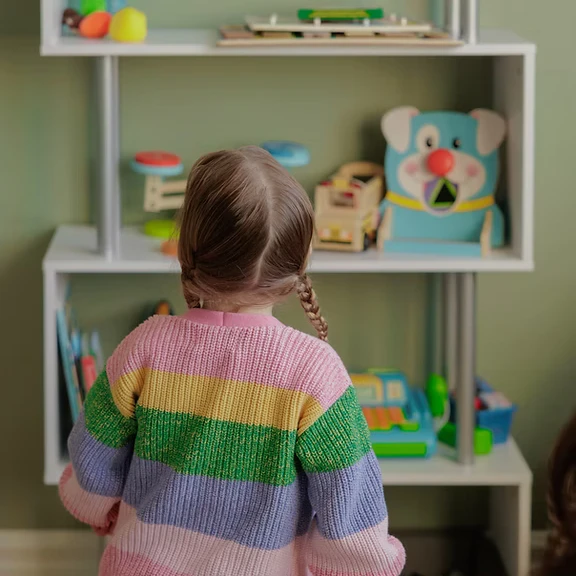
When behavioural support is needed, Strides may develop a coordinated plan that combines direct intervention and skill development with practical guidance for the people supporting the client.
A plan may include:
The goal is to help the person build useful skills while improving the conditions in which those skills are expected.
The name “Strides” was inspired by a technique used in track and field during training sessions.
It refers to running a relatively short distance at a controlled, fast pace, focusing on smooth and efficient leg movement, proper posture, and full range strides. These are designed to help improve running mechanics and increase acceleration and speed.
We believe that this technique serves as a powerful metaphor for the approach we take to helping our clients. Just like in track, the strides we take with our clients are strategic and practical and are designed to make life easier.

We explain findings, options, and recommendations in language that clients and their support teams can understand and use.
Our work respects identity, communication differences, individual strengths, and each person’s right to meaningful participation.
Recommendations are designed for the client’s actual home, school, workplace, community, or care setting.
Services reflect the client’s goals, strengths, current capacity, environment, and reason for seeking support.
Our purpose is not simply to provide information. We help clients and their support teams understand what can be taught, what may need to change, and what to do next.
It means recognizing the person’s abilities, interests, relationships, successful strategies, and goals while also identifying where support may be helpful.
No. Depending on the service, we may also work with caregivers, educators, agencies, and other professionals. This can include guidance on routines, communication, programming, expectations, and environmental supports.
Direct intervention may include targeted teaching, skill acquisition, ADHD coaching, behaviour support, or other strategies connected to the client’s goals.
A person may experience difficulty when expectations, communication, routines, or available supports do not match their current skills and capacity. Understanding the environment helps us recommend more practical support.
A plan may include intervention, skill-development goals, preventive strategies, environmental supports, accommodations, adaptations, and guidance for caregivers or professionals.
We connect recommendations to the client’s daily routines, real-life settings, priorities, available supports, and the people responsible for carrying them out.
Tell us who needs support, what is getting in the way, which settings are involved, and what meaningful progress would look like. The Strides team can help identify an appropriate next step.